Beyond Crisis Management: Is the Language Education Industry Addressing the Real Problems?
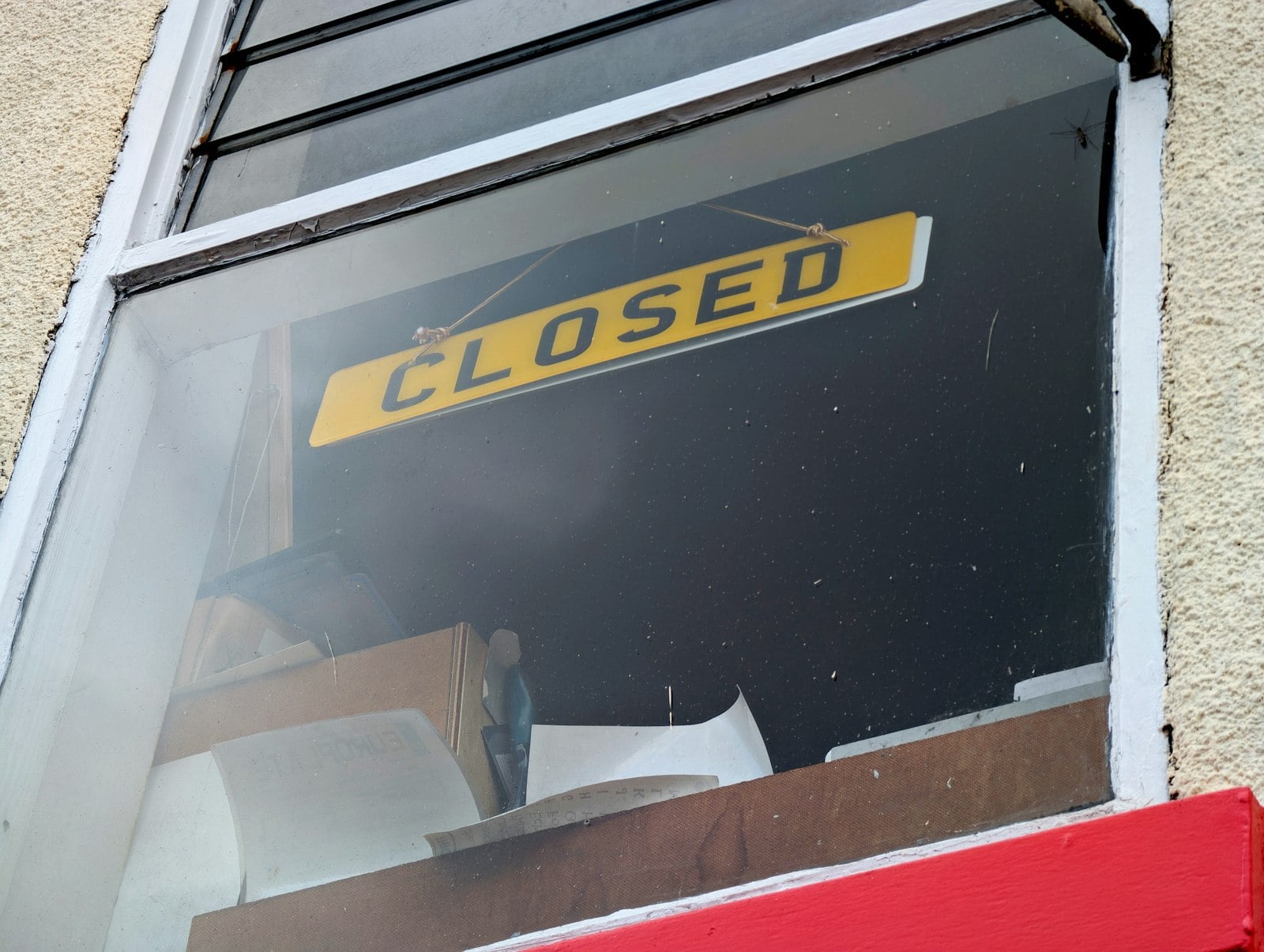
The recent closures of EC and ILAC (Gomez, 2026) have exposed serious weaknesses in the international language education industry's financial accountability and student protection systems.
The October ICEF Podcast (Riggs, 2026) highlighted the extraordinary efforts of industry associations and schools to relocate affected students. These efforts deserve recognition. However, much of the discussion appeared focused on celebrating the industry's emergency response, defending existing association frameworks, and attributing financial difficulties to government policy changes.
Successful crisis management should not be mistaken for effective consumer protection.
Several fundamental questions deserve more critical examination.
- What Does Industry Accreditation Actually Guarantee?
If major, established institutions can collapse abruptly, how effective are existing accreditation and quality assurance systems in identifying financial risks?
Academic quality and financial stability are fundamentally different matters. Does accreditation provide meaningful financial oversight, or does it create a sense of security that may not be justified?
- Why Are Students Exposed to Schools' Financial Risks?
Students frequently pay substantial tuition and accommodation fees months in advance. Yet it remains unclear what protections prevent these payments from being exposed to an institution's financial difficulties.
Should independent escrow arrangements, instalment payments, or other financial safeguards become standard practice rather than optional arrangements?
- Should Government Policy Changes Excuse Management Failures?
Government policy changes undoubtedly create challenges for international education providers. However, anticipating market risks, adjusting business models, and managing financial obligations remain fundamental responsibilities of institutional management.
Why did the discussion devote so much attention to government responsibility while giving comparatively little scrutiny to the financial decisions of the institutions themselves?
- Does Student Relocation Equal Student Protection?
Relocating students to alternative institutions is an important achievement, but it does not necessarily compensate them for lost accommodation fees, additional expenses, disrupted study plans, or other financial losses.
Should the industry's success be measured primarily by placement rates, or by the extent to which students' actual financial and educational interests have been protected?
- Could the Current Rescue Mechanism Trigger a Domino Effect?
This may be the most overlooked risk in the entire discussion.
When a school collapses, other institutions are expected to accept displaced students and deliver courses for which the failed institution has already received payment.
While this demonstrates industry solidarity, it effectively transfers part of the financial burden from failed institutions to those that remain operational.
Receiving schools must absorb additional teaching, staffing, administrative, and operational costs without necessarily receiving corresponding tuition revenue.
Even financially stable institutions have limits to what they can absorb.
What happens if accepting displaced students weakens the financial position of the receiving institutions themselves? Could a mechanism intended to protect students ultimately put additional schools, and their existing students, at risk?
The simultaneous collapse of major providers has already demonstrated how quickly available capacity can become stretched. During a broader market downturn, several institutions could experience financial difficulties at the same time.
A rescue system that depends on surviving schools absorbing the obligations of failed competitors cannot be assumed to remain sustainable under such conditions.
There is also a fundamental question of fairness: Why should financially responsible institutions bear the costs of another institution's failure, potentially compromising their own financial stability?
In an informal conversation two weeks ago, I clearly understood the complaint of the owner of a Canadian language school, stating that this was extremely unfair. This simplistic way of shifting the blame is irresponsible and naive.
Industry solidarity is valuable, but it cannot substitute for a properly funded protection mechanism.
References:
Gomez, M. (2026, September 19). Canadian language school files for bankruptcy, leaving students stranded. CBC News. https://www.cbc.ca/news/canada/british-columbia/language-school-bankrupcy-9.7351082
Riggs, C. (Host). (2026, October 21). How is the sector responding to ELT school closures and what happens next? (No. E87) [Audio podcast episode]. In ICEF Podcast. Simplecast. https://icef-exchange.simplecast.com/episodes/how-is-the-sector-responding-to-elt-school-closures-and-what-happens-next
About the author
花生米爸 张辰
Comments
Join the discussionNo comments yet. Be the first to comment.


